
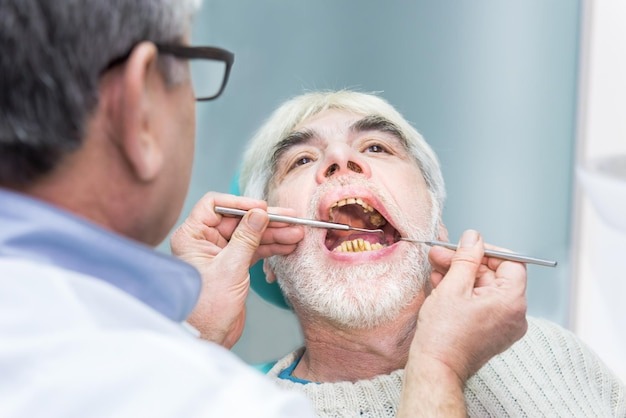
Gum disease can develop gradually, and many people do not notice significant discomfort during its early stages. Changes such as bleeding gums, persistent bad breath, redness, swelling, or gum recession may seem minor, but they can indicate inflammation or infection around the teeth. Recognising these signs early can make it easier to address the underlying problem before it affects the bone and tissues that support your teeth.
At Cape Cod Perio, periodontal care focuses on the health of the gums, bone, and other structures that support the teeth. The practice provides periodontal treatments as well as services such as dental implants, Bone and Gum Tissue Regeneration, and Cosmetic Crown Lengthening. Understanding when symptoms require specialist attention can help patients make informed decisions about their oral health.
Understanding Gum Disease
Gum disease, also known as periodontal disease, is an inflammatory condition affecting the gums and supporting structures around the teeth. It commonly begins when plaque accumulates along the gumline. If plaque is not adequately removed, it can contribute to inflammation and eventually develop into harder deposits known as calculus or tartar.
The earliest stage is generally called gingivitis. At this stage, the gums may become red, swollen, and more likely to bleed. Gingivitis can often be managed with appropriate professional care and consistent oral hygiene.
When gum disease progresses, it can develop into periodontitis. This more advanced form can damage the tissues and bone supporting the teeth. Because periodontitis may progress with relatively mild symptoms, regular dental examinations are important even when the mouth does not feel painful.
Early Signs of Gum Disease to Watch For
Recognising changes in your gums can help you seek professional evaluation sooner. Not every symptom automatically means you have periodontal disease, but persistent or worsening changes should not be ignored.
Bleeding Gums
One of the most common early warning signs is bleeding when brushing or flossing. Occasional bleeding may have different causes, but regular bleeding can indicate inflammation along the gumline.
Healthy gums generally should not bleed routinely during normal brushing and flossing. If bleeding continues despite improved oral hygiene, a dental professional can evaluate the gums and determine whether periodontal inflammation is present.
Red or Swollen Gums
Healthy gums are generally firm and fit closely around the teeth. Redness, swelling, tenderness, or changes in gum texture can indicate inflammation.
These changes may initially be subtle. Some people notice them while brushing or looking in the mirror, while others only become aware of them when a dentist or hygienist points them out during an examination.
Persistent Bad Breath
Bad breath that continues despite brushing, flossing, and cleaning the tongue may sometimes be associated with bacteria and inflammation in the mouth.
Persistent bad breath has several possible causes, so it should not automatically be attributed to gum disease. However, when it occurs alongside bleeding, swelling, gum recession, or other changes, a periodontal evaluation may be appropriate.
Gum Recession
Gum recession occurs when gum tissue moves away from the tooth, making more of the tooth or root surface visible. You may notice that a tooth looks longer than it previously did or that certain areas have become more sensitive to hot or cold foods and drinks.
Gum recession can have multiple causes, including periodontal disease and aggressive brushing. If recession continues, the exposed root may become more vulnerable to sensitivity, decay, and additional tissue problems. Cape Cod Perio also provides soft tissue grafting when appropriate to help address missing gum tissue and exposed roots.
Increased Tooth Sensitivity
Sensitivity is not always related to gum disease. However, when gum recession exposes the root surface, sensitivity to cold, hot, or brushing may occur.
A dental examination can help identify whether sensitivity is associated with recession, decay, enamel damage, periodontal problems, or another condition.
Changes in the Way Your Teeth Fit Together
Advanced periodontal disease can affect the structures supporting the teeth. As supporting tissues and bone are damaged, some patients may notice changes in how their teeth come together when biting.
Other dental conditions can also cause changes in the bite, so this symptom should be assessed rather than assumed to be caused by gum disease.
Loose or Shifting Teeth
Loose teeth can be a more concerning sign because the bone and tissues around the teeth provide their support. Periodontitis can gradually damage these structures, potentially causing teeth to become less stable.
If a permanent tooth feels loose or appears to be shifting, professional evaluation should not be delayed.
Why Gum Disease Can Be Difficult to Detect
One reason periodontal disease can progress unnoticed is that significant pain is not always present. Gum disease can cause gradual changes rather than sudden symptoms, particularly during its earlier stages.
A person may become accustomed to mild bleeding during brushing or assume that bad breath is unrelated to oral health. Meanwhile, inflammation can continue beneath the gumline.
This is why a periodontal examination can be useful when symptoms persist. A Periodontist has specialised training in diagnosing and treating conditions involving the gums and supporting structures of the teeth.
When Should You See a Periodontist?
You do not necessarily need to wait until your symptoms become severe before seeing a periodontist. A referral or periodontal evaluation may be appropriate when gum problems continue despite regular brushing and flossing or when there are signs of deeper periodontal involvement.
Consider speaking with a periodontist if you experience persistent gum bleeding, significant gum recession, recurring swelling, loose teeth, deep periodontal pockets, or a history of periodontal disease.
A specialist evaluation may also be appropriate when your general dentist identifies bone loss, significant gum inflammation, or other concerns during a routine examination.
The purpose of an evaluation is not simply to identify gum disease. It can also help determine its severity, identify contributing factors, and establish whether periodontal treatment or ongoing maintenance is needed.
What Happens During a Periodontal Evaluation?
A periodontal evaluation generally begins with a review of your dental and medical history and an examination of your gums and teeth. The periodontist may assess gum tissue, periodontal pocket depths, recession, tooth stability, and other signs of periodontal disease.
Imaging may also be used when necessary to evaluate the supporting bone. Cape Cod Perio states that it uses 3-D imaging in its implant planning and evaluates the bone supporting the teeth when determining suitability for implant treatment.
The findings help the periodontist determine whether the condition is consistent with gingivitis, periodontitis, gum recession, or another oral health issue.
Why Early Treatment Matters
Early attention to gum problems can help prevent minor inflammation from progressing into more extensive periodontal damage. Once periodontitis has affected the supporting bone and tissues, treatment may involve more complex procedures than would have been necessary at an earlier stage.
Treatment depends on the individual’s condition. Some patients may benefit from professional periodontal cleaning and ongoing maintenance, while others may require additional periodontal procedures.
The goal is to control infection and inflammation, preserve the structures supporting the teeth, and maintain oral health over time.
How Cape Cod Perio Addresses Advanced Gum Problems
When periodontal disease has affected the supporting tissues, treatment may involve procedures designed to address the underlying damage rather than only the visible symptoms.
Bone and Gum Tissue Regeneration
Loss of bone and gum tissue can occur as periodontal disease progresses. Bone and Gum Tissue Regeneration may be recommended in appropriate cases to help restore or support tissues that have been damaged.
Cape Cod Perio describes bone and tissue regeneration as a treatment that may help stabilise teeth or prepare the bone for dental implants when sufficient supporting tissue has been lost.
Not every patient requires regenerative treatment. The appropriate approach depends on the amount and location of tissue loss and the individual’s overall periodontal condition.
Dental Implants
Gum and bone health are important considerations when replacing missing teeth. Dental implants use titanium posts placed in the jawbone to provide a foundation for replacement teeth.
Before implant treatment, the condition of the gums and available bone needs to be evaluated. If periodontal disease is active or there is insufficient supporting bone, periodontal treatment or regenerative procedures may be considered before implant placement.
Cape Cod Perio provides dental implant treatment and evaluates patients individually to determine whether implant treatment is appropriate.
Cosmetic Crown Lengthening
Not all periodontal procedures are performed because of gum disease. Cosmetic Crown Lengthening can be considered when excess gum tissue makes teeth appear shorter or when the gumline needs adjustment.
The procedure can also have a functional purpose. According to Cape Cod Perio, crown lengthening may be used when decay or a broken portion of a tooth extends below the gumline and additional tooth structure needs to be exposed for restoration.
This demonstrates why a periodontal assessment is not limited to diagnosing gum disease. A periodontist can also evaluate the relationship between the teeth, gums, and supporting bone when planning certain dental procedures.
Can Gum Disease Be Prevented?
Not every case of periodontal disease can be prevented, but good oral hygiene and regular professional care can reduce the risk and help identify problems earlier.
Brushing twice a day with fluoride toothpaste and cleaning between the teeth regularly can help remove plaque from areas that a toothbrush may not reach. Regular dental examinations can also help identify gum inflammation, recession, calculus, and other changes before they become more advanced.
Lifestyle and health factors can also influence periodontal health. Your dental professional can help you understand which factors may affect your individual risk and whether you would benefit from more frequent periodontal monitoring.
What Should You Do If You Notice Gum Disease Symptoms?
Do not wait for severe pain before seeking an evaluation. Gum disease can develop without significant discomfort, so persistent changes in the gums deserve attention.
If you notice bleeding, swelling, recession, persistent bad breath, sensitivity, loose teeth, or other changes, start by discussing them with your dentist or a periodontist. A professional examination can determine whether the symptoms are related to gum disease or another dental condition.
If periodontal treatment is recommended, understanding the diagnosis and available options can help you make an informed decision about your care.
Protect Your Gum Health by Acting Early
Gum disease does not always cause obvious pain, which makes early warning signs easy to overlook. Bleeding, redness, swelling, recession, persistent bad breath, sensitivity, and changes in tooth stability can all warrant professional attention.
Recognising these symptoms early gives you an opportunity to determine what is happening before more extensive damage develops. A periodontal evaluation can identify the condition and help determine whether monitoring, periodontal treatment, regeneration, or another approach is appropriate.
For patients who require more advanced periodontal or implant care, Cape Cod Perio provides treatments including periodontal disease management, dental implants, Bone and Gum Tissue Regeneration, soft tissue grafting, and Cosmetic Crown Lengthening based on individual clinical needs.