
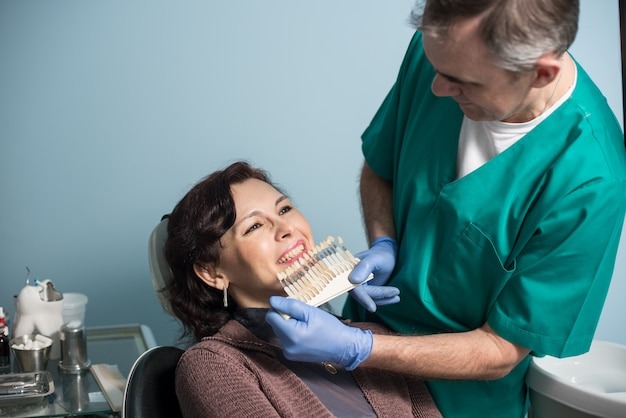
A balanced smile depends on more than the appearance of the teeth. The relationship between the teeth, gums, and supporting bone can also influence how a smile looks and how well restorative dental work fits. Cosmetic crown lengthening is a periodontal procedure that reshapes or removes excess gum tissue and, when necessary, a small amount of supporting bone to expose more of a tooth.
At Cape Cod Perio, periodontal procedures are focused on the health and structure of the tissues surrounding the teeth. Crown lengthening may be considered for cosmetic concerns or as part of restorative treatment when additional tooth structure needs to be exposed. Understanding why the procedure is performed can help patients make informed decisions about their periodontal and restorative care.
What Is Cosmetic Crown Lengthening?
Cosmetic crown lengthening is a periodontal procedure used to change the visible proportion of a tooth by modifying the gum line. Some people naturally have more gum tissue covering their teeth, which can make the teeth appear shorter when smiling. This is sometimes referred to as a “gummy smile.”
During crown lengthening, a periodontist carefully reshapes the gum tissue around selected teeth. In some cases, the underlying bone also needs to be adjusted to establish an appropriate relationship between the tooth, gum, and supporting structures.
The procedure is different from simply removing excess gum tissue. The treatment approach depends on the individual’s anatomy, gum health, tooth structure, and the reason for treatment.
Why Is Crown Lengthening Performed?
Crown lengthening can have either a cosmetic or restorative purpose. Although the techniques may overlap, the treatment goals are different.
For cosmetic treatment, the objective is generally to create a more proportionate relationship between the teeth and gums. For restorative treatment, the procedure may be necessary when insufficient tooth structure is visible above the gum line for a crown, filling, or other restoration.
A careful periodontal evaluation is important before treatment because the gums and supporting bone must remain healthy and stable after the procedure.
Cosmetic Crown Lengthening for Smile Appearance
A person’s smile can show varying amounts of gum tissue depending on tooth position, lip movement, gum thickness, and the natural shape of the gum line. When excessive gum coverage makes the teeth look shorter, crown lengthening may be one treatment option.
Creating a More Balanced Gum Line
Cosmetic crown lengthening can expose more of the natural tooth surface and alter the position of the gum margin. The goal is not simply to remove as much gum tissue as possible. Instead, the procedure should account for the natural proportions of the teeth and the health of the surrounding periodontal tissues.
A periodontist evaluates the gum line and tooth proportions before determining whether crown lengthening is appropriate. The amount of tissue removed varies from one tooth to another and depends on the desired treatment outcome.
When Tooth Proportions Affect Smile Appearance
Short-looking teeth do not always mean that the teeth themselves are naturally small. Gum tissue may cover part of the enamel, particularly around the upper front teeth. In these situations, modifying the gum line can reveal more of the existing tooth structure.
However, not every gummy smile requires crown lengthening. Excessive gum display can have several possible causes, including lip movement, tooth position, skeletal factors, or gum tissue characteristics. A professional evaluation helps determine the underlying cause before selecting treatment.
Crown Lengthening for Restorative Treatment
Crown lengthening is also used for reasons that have little to do with cosmetic appearance. Sometimes a tooth does not have enough healthy structure exposed above the gum line to support a restoration properly.
For example, a tooth may have significant decay below the gum line, a fracture that extends toward the gum, or insufficient visible tooth structure after previous dental treatment. Placing a restoration without adequate access to healthy tooth structure can make it difficult to achieve an appropriate fit and maintain the surrounding gum tissue.
Creating Access to Healthy Tooth Structure
A dental crown needs a stable foundation. If decay or a fracture extends beneath the gum line, there may not be enough accessible tooth structure for the restorative dentist to work with.
Crown lengthening can move the gum margin away from the affected area and, when indicated, reshape the supporting bone. This provides access to a healthier portion of the tooth and can help establish the space required for restorative treatment.
The procedure is planned according to the condition of the tooth and the amount of periodontal tissue that needs to remain around it.
Supporting Proper Restoration Placement
The relationship between a restoration and the surrounding gum tissue is important. If a crown extends too deeply into the periodontal tissues, it may contribute to irritation and inflammation.
Crown lengthening can help establish a healthier relationship between the restoration and the gum. The exact approach depends on the tooth, the restoration being planned, and the patient’s periodontal condition.
How Is Cosmetic Crown Lengthening Performed?
Before crown lengthening, the periodontist examines the teeth and gums and may use dental imaging to evaluate the supporting bone. The treatment plan is based on the amount of tooth structure that needs to be exposed and the condition of the surrounding tissues.
During the procedure, local anaesthesia is generally used to keep the area comfortable. The gum tissue is carefully moved away from the tooth so the underlying structures can be assessed.
If only gum tissue needs to be reshaped, the procedure may be limited to the soft tissue. If the position of the supporting bone prevents the desired gum position, bone reshaping may also be necessary.
Once the appropriate amount of tissue and, when required, bone has been adjusted, the area is cleaned and the gum tissue is positioned around the tooth. Sutures may be placed to help the tissue heal in its new position.
The procedure varies depending on whether the treatment is primarily cosmetic or restorative.
What Is Recovery Like After Crown Lengthening?
Healing time depends on the extent of treatment and whether bone reshaping was required. Some tenderness, swelling, or sensitivity can occur during the initial healing period.
Patients are usually given specific instructions for keeping the treated area clean while it heals. Following these instructions is important because the gum tissue needs time to establish a stable position.
The final appearance of the gum line may not be immediately visible. As the tissues heal and mature, the gum margin can gradually become more stable. Restorative treatment, such as placement of a permanent crown, may need to wait until the periodontal tissues have adequately healed.
How Does Crown Lengthening Relate to Dental Implants?
Crown lengthening and Dental Implants address different dental situations, but both involve careful consideration of the gums and supporting bone.
Dental implants replace missing tooth roots and require adequate bone and healthy surrounding soft tissues for proper support. Crown lengthening, on the other hand, is performed around an existing natural tooth to expose additional tooth structure or modify the gum line.
In some comprehensive treatment plans, periodontal procedures may be performed alongside restorative or implant treatment. The appropriate sequence depends on the condition of the teeth, gums, and supporting bone.
What Is the Difference Between Crown Lengthening and Gum Regeneration?
Crown lengthening changes the position or amount of gum tissue around a tooth. Regenerative procedures have a different purpose.
Bone and Gum Tissue Regeneration may be considered when periodontal disease, trauma, or other conditions have caused the loss of supporting tissues. Regenerative treatment aims to restore or rebuild affected periodontal structures where clinically appropriate.
Crown lengthening generally involves exposing additional tooth structure, while regenerative procedures focus on improving lost or damaged supporting tissues. A periodontal examination is necessary to determine which type of treatment is appropriate.
Where Does LANAP Fit Into Periodontal Treatment?
LANAP is a laser-assisted periodontal treatment approach used in the management of certain cases of gum disease. It is different from cosmetic crown lengthening and should not be considered a direct replacement for crown lengthening.
The appropriate periodontal procedure depends on the underlying problem. If gum disease has caused inflammation or loss of supporting tissue, periodontal treatment may focus on controlling the disease and maintaining the health of the gums and bone. If excess gum tissue covers part of a tooth or additional tooth structure needs to be exposed for restorative purposes, crown lengthening may be considered.
A periodontal specialist can determine which treatment is appropriate after evaluating the gums, teeth, and supporting structures.
Is Cosmetic Crown Lengthening Right for Everyone?
Not necessarily. The procedure is appropriate only when the expected benefits outweigh the risks and the underlying anatomy supports the treatment.
A comprehensive examination may consider gum thickness, bone levels, tooth shape, tooth position, periodontal health, and the amount of tooth structure that is naturally present. The cause of a cosmetic concern also matters.
For example, if short-looking teeth are caused by tooth wear rather than excess gum tissue, crown lengthening alone may not address the underlying issue. Similarly, if excessive gum display is primarily related to lip movement or jaw structure, another treatment approach may be more suitable.
This is why treatment should be based on an individual periodontal assessment rather than appearance alone.
What Questions Should You Ask Before Treatment?
Before proceeding with crown lengthening, patients may want to understand why the procedure is recommended and how it fits into their overall dental treatment plan.
Important questions can include:
- What is causing the excess gum coverage or lack of visible tooth structure?
- Will gum tissue alone need to be reshaped, or is bone modification necessary?
- Is the procedure cosmetic, restorative, or both?
- How long will the treated area take to heal?
- When can restorative treatment begin, if a crown or other restoration is planned?
- What should be expected during the healing period?
Having clear answers can make it easier to understand the purpose and expected outcome of treatment.
When Should You Contact a Periodontist?
A consultation with a periodontist can be useful when gum tissue affects the appearance of a smile or when a restorative dentist needs additional tooth structure exposed for treatment.
It can also be appropriate to seek a periodontal evaluation when there are concerns about gum inflammation, recession, bone loss, or the tissues surrounding a planned dental restoration or implant.
At Cape Cod Perio, patients can discuss their periodontal concerns and treatment needs with a specialist to determine whether crown lengthening or another periodontal procedure is appropriate. If you would like to understand your treatment options, contact us to arrange an evaluation and discuss your specific situation.