
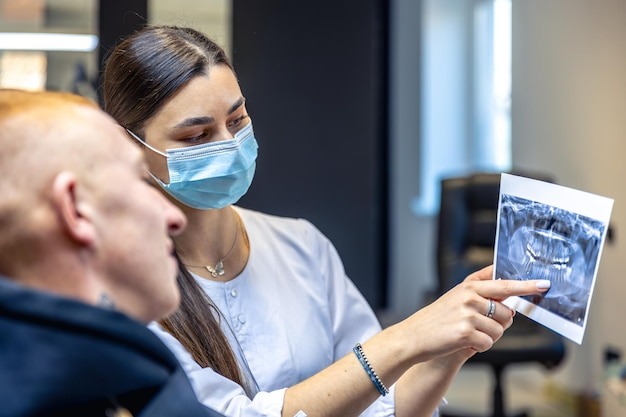
Getting a dental implant involves more than placing an artificial tooth. Before treatment begins, the dental team needs to assess the condition of the gums, jawbone and surrounding teeth to determine whether an implant can be placed safely and predictably.
At Cape Cod Perio, periodontal evaluation and treatment planning are important parts of preparing patients for Dental Implants. Advanced imaging can help identify bone levels, gum conditions and anatomical structures that may affect treatment.
Understanding these steps can help patients know what to expect before their implant procedure.
The Initial Dental Implant Evaluation
The process usually starts with a comprehensive examination. The periodontist evaluates the gums, existing teeth, jawbone and overall oral health. The condition of the tissues surrounding the proposed implant site is especially important because healthy supporting structures can contribute to long-term implant stability.
The dental team may also review your dental and medical history. Previous tooth loss, gum disease, dental procedures and other factors can influence the treatment approach.
If active periodontal problems are present, these may need to be addressed before implant placement.
3D Imaging and Examination of the Jawbone
One of the important steps before Dental Implants is diagnostic imaging. Three-dimensional imaging, such as cone beam computed tomography, can provide a detailed view of the jaw.
Unlike a standard two-dimensional X-ray, 3D imaging can help the dental team examine bone width and height while identifying structures such as nerves and nearby teeth. This information supports more precise treatment planning.
The scan can also help determine whether there is sufficient bone to support an implant. If the available bone is inadequate, additional procedures may be considered before or alongside implant treatment.
Assessing Bone and Gum Tissue
The gums and underlying bone both play important roles in implant treatment. Previous tooth loss can lead to changes in the jawbone, while periodontal disease may affect the tissues supporting the teeth.
When necessary, Bone and Gum Tissue Regeneration may be part of the treatment plan. Regenerative procedures can be used in appropriate cases to improve the condition of the tissues around an implant site.
The specific approach depends on the patient’s anatomy, oral health and amount of available tissue.
Treating Gum Disease Before Implant Placement
Healthy gums are an important consideration before implant surgery. Patients with periodontal disease may require treatment before moving forward with an implant.
At Cape Cod Perio, treatment options may include LANAP, a laser-assisted approach used as part of periodontal therapy. The suitability of LANAP depends on the individual’s periodontal condition and treatment needs.
Addressing periodontal disease before implant placement can help establish a healthier environment for future restorative treatment.
Creating a Personalised Treatment Plan
After the examination and imaging are complete, the dental team develops a treatment plan based on the findings. This plan considers the implant location, available bone, gum condition and the type of restoration that will eventually be supported by the implant.
Some patients may be ready for implant placement without additional procedures. Others may need periodontal treatment, bone grafting or tissue regeneration first.
Treatment planning also helps determine the appropriate sequence and timing of each stage. This gives patients a clearer understanding of what needs to happen before the implant is placed.
What Patients Can Expect Before Surgery
The preparation stage may involve several appointments depending on the complexity of the case. Patients may receive information about the proposed procedure, healing expectations and any preparatory treatments that are required.
Before treatment, it is also important to discuss relevant medications, medical conditions and previous dental experiences with the dental team. This information helps the provider plan treatment appropriately.
Patients who have questions about their proposed implant treatment can contact us to discuss the evaluation and planning process with the Cape Cod Perio team.