
Gum disease can develop gradually, sometimes without causing noticeable discomfort in its early stages. When it progresses, however, it can affect the gums, supporting bone, and overall stability of the teeth. Understanding the available treatment options can help patients make informed decisions about their oral health.
Cape Cod Perio provides periodontal care for patients experiencing gum-related concerns and conditions affecting the tissues that support the teeth. One treatment option that may be considered for certain patients is LANAP, a laser-assisted approach to treating periodontal disease.
Understanding LANAP Laser Gum Treatment
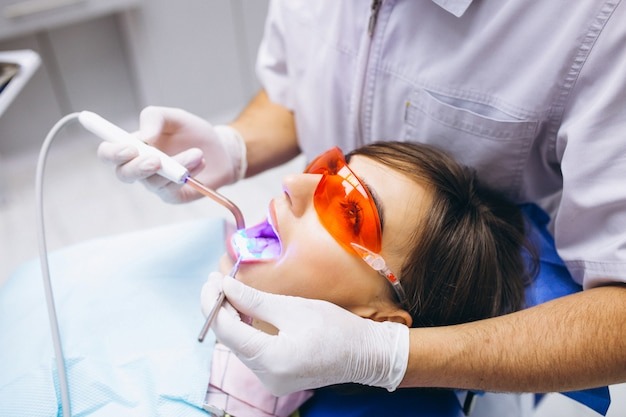
LANAP stands for Laser-Assisted New Attachment Procedure. It uses a specialised dental laser as part of periodontal treatment. Rather than relying solely on traditional surgical methods, LANAP uses laser energy to target diseased tissue and bacteria around affected teeth.
The treatment is designed to address infection while supporting the body’s natural healing response. The suitability of LANAP depends on factors such as the severity of gum disease, the condition of the supporting tissues, previous treatments, and the patient’s overall oral health.
How LANAP Works
During treatment, the laser is used to identify and remove infected or diseased tissue from periodontal pockets. The area is then cleaned to reduce bacteria and remove deposits contributing to inflammation.
The procedure may also encourage the body’s natural healing processes around the affected area. Depending on the patient’s condition, this may support the preservation or regeneration of tissues surrounding the teeth.
Signs of Gum Disease That Should Not Be Ignored
Recognising the Signs of Gum Disease early can make it easier to address periodontal problems before they become more advanced. Gum disease does not always cause significant pain, so changes in the gums can be important warning signs.
Common symptoms may include:
- Bleeding while brushing or flossing
- Red, swollen, or tender gums
- Persistent bad breath
- Receding gums
- Loose or shifting teeth
- Changes in how teeth fit together when biting
Patients experiencing these symptoms should have their gums evaluated by a dental professional. A periodontal examination can help determine whether active gum disease is present and how advanced it may be.
Who May Be a Candidate for LANAP
LANAP is not automatically appropriate for everyone with gum disease. A periodontal evaluation is necessary to determine whether laser treatment is suitable for an individual’s condition.
Patients with moderate to advanced periodontal disease may potentially benefit from LANAP when infected periodontal pockets require treatment. However, the appropriate approach depends on factors such as pocket depth, bone condition, gum health, and previous periodontal treatment.
A consultation can also help identify whether other periodontal procedures may be more appropriate. Treatment should be based on clinical findings rather than the assumption that laser therapy is suitable for every patient.
LANAP and Bone and Gum Tissue Regeneration
Advanced periodontal disease can damage the bone and tissues that support the teeth. Once these structures are affected, preserving remaining tissue becomes an important part of periodontal care.
Bone and Gum Tissue Regeneration refers to treatments intended to support the repair or rebuilding of damaged periodontal structures in appropriate cases. LANAP may be used as part of a broader treatment plan, depending on the extent of tissue damage and the patient’s individual needs.
Regeneration is not guaranteed and depends on several clinical factors. A periodontal specialist can assess the affected areas and explain which treatment options may provide the most appropriate approach.
What About Dental Implants After Gum Disease
Healthy gums and adequate supporting bone are important considerations for patients who need Dental Implants. Active periodontal disease can affect the tissues surrounding natural teeth and may also create concerns when planning implant treatment.
For patients who have experienced gum disease, periodontal health may need to be stabilised before implant placement. In some situations, treatment involving tissue preservation or regeneration may also be considered.
This is why periodontal evaluation can be an important step when patients are considering implants after experiencing significant gum problems.
What to Expect Before and After LANAP
Before treatment, the periodontal condition is evaluated to determine the extent of disease and whether LANAP is appropriate. The dentist or periodontist can explain the planned treatment areas and what recovery may involve.
After treatment, patients generally receive specific instructions for protecting the treated tissues while they heal. Follow-up appointments may be needed to monitor gum health and evaluate the response to treatment.
Maintaining good oral hygiene and attending recommended periodontal maintenance visits can also play an important role in controlling gum disease over time.
Is LANAP Right for You
LANAP can be an option for some patients with periodontal disease, but the right treatment depends on individual clinical circumstances. The best way to determine suitability is through a comprehensive periodontal assessment.
If you notice Signs of Gum Disease or have concerns about damaged gums, supporting bone, or future Dental Implants, contact us at Cape Cod Perio to discuss your periodontal health and available treatment options.