
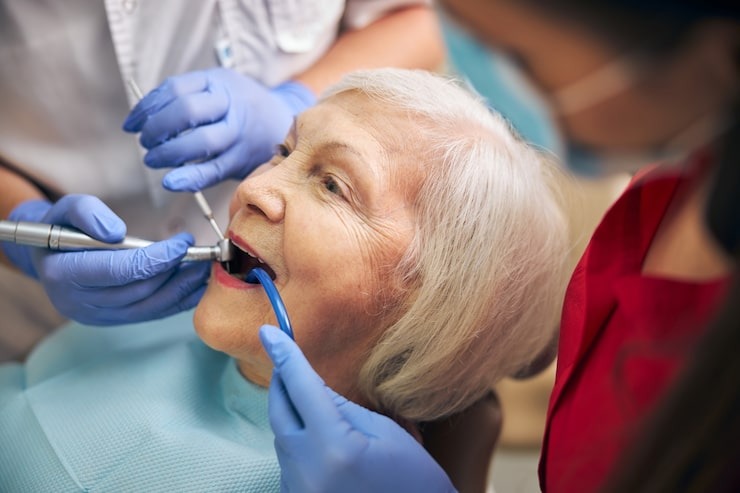
Dental implants can provide a stable way to replace missing teeth, but they are not automatically the right option for every patient. Candidacy depends on several factors, including oral health, jawbone density, gum condition, general health, and the ability to maintain good oral hygiene.
At Cape Cod Perio, patients can have their periodontal health evaluated when considering dental implants. A Periodontist focuses on the tissues supporting the teeth, including the gums and jawbone, which are important considerations when planning implant treatment. A detailed evaluation can help determine whether the supporting tissues are healthy enough for an implant or whether additional treatment may be appropriate first.
What Are Dental Implants?
Dental implants are artificial tooth roots designed to support replacement teeth. An implant is typically placed into the jawbone, where it can integrate with the surrounding bone over time. Once healing has progressed, an abutment and dental crown can be connected to complete the restoration.
Unlike a removable denture, an implant-supported tooth is anchored to the jawbone. This can provide stability when eating and speaking. Dental implants can also help maintain the structure of the jawbone in areas where teeth have been lost.
However, successful implant treatment depends on more than simply placing an implant. The gums and bone surrounding the implant must provide an appropriate foundation. This is one reason why a periodontal evaluation can be an important part of determining candidacy.
Why a Periodontist Evaluates Implant Candidacy
A Periodontist specialises in diagnosing and treating conditions involving the gums, periodontal tissues, and structures that support the teeth. These areas also play an important role in dental implant treatment.
Before recommending implants, a periodontist may evaluate the condition of the gums, the amount and quality of available bone, existing periodontal disease, and other factors that could affect healing. Imaging may also be used to examine the jawbone and identify anatomical considerations.
The goal is not simply to determine whether an implant can be placed. The evaluation helps establish whether the oral environment is suitable for supporting the implant over the long term.
Who May Be a Candidate for Dental Implants?
Many adults with one or more missing teeth may be candidates for dental implants. However, candidacy is determined individually rather than based solely on the number of missing teeth or a person’s age.
A person may be considered a potential candidate when they have adequate jawbone to support an implant, healthy or treatable gum tissue, and sufficient oral hygiene habits to care for the implant after treatment.
Adequate Jawbone Support
Dental implants require sufficient bone for stability. When a tooth has been missing for an extended period, the jawbone in that area may gradually lose volume because it no longer receives stimulation from the natural tooth root.
Reduced bone volume does not necessarily mean implants are impossible. In some cases, additional procedures may help rebuild the area before implant placement.
Healthy Gum Tissue
Healthy gums are an important part of implant treatment. Existing gum disease can affect the tissues surrounding teeth and implants and may need to be addressed before implant surgery.
A periodontal evaluation can identify inflammation, infection, gum recession, or other conditions that may need attention. Treating these issues can help create a healthier environment for future implant treatment.
Good Oral Hygiene
Long-term implant care requires regular brushing, cleaning between teeth, and professional dental care. Patients should understand that dental implants are not maintenance-free.
Good oral hygiene helps control plaque and supports the health of the tissues around the implant. Patients who already have difficulty maintaining oral hygiene may need to improve their routine before proceeding.
Overall Health and Healing
General health can also influence dental implant treatment. Certain medical conditions, medications, and lifestyle factors may affect healing or the body’s response to surgery.
This does not automatically prevent someone from receiving implants. Instead, these factors should be discussed during the evaluation so that the treatment plan can account for individual circumstances.
When Bone or Gum Problems Affect Implant Candidacy
Not having enough bone or having unhealthy gum tissue does not always rule out dental implants. Depending on the underlying problem, additional periodontal treatment may be considered before implant placement.
Bone and Gum Tissue Regeneration refers to procedures designed to rebuild or improve deficient supporting tissues in appropriate cases. The specific approach depends on the location and extent of tissue loss and the patient’s individual needs.
For example, bone grafting may be considered when there is insufficient bone volume in the planned implant site. Regenerative procedures may also be used to address certain periodontal defects.
The timing of implant placement depends on the type of procedure performed, the extent of tissue regeneration required, and how the area heals. A periodontist can determine whether additional treatment is appropriate after examining the site.
Can Gum Disease Patients Get Dental Implants?
A history of gum disease does not necessarily prevent someone from receiving dental implants. However, active periodontal disease should generally be addressed before implant treatment is considered.
Periodontal disease can damage the tissues supporting natural teeth and may also create an unfavourable environment around an implant. Patients with a history of periodontal disease may therefore require careful periodontal evaluation and ongoing maintenance.
The condition of the gums and supporting bone is assessed before treatment. If periodontal disease is present, treatment may focus on controlling the disease and improving oral health before implant placement.
Does Age Determine Dental Implant Candidacy?
Age alone does not usually determine whether a person can receive dental implants. Instead, the focus is generally placed on oral health, bone availability, healing capacity, and overall health.
Older adults may be candidates for implants if they have suitable oral and general health. Similarly, younger adults may need to wait until jaw growth has completed before implant treatment is considered.
A personalised evaluation is therefore more useful than using a specific age as a measure of candidacy.
What If There Is Not Enough Bone for an Implant?
Bone loss is relatively common after tooth loss, but the extent varies from person to person. Dental imaging can help identify whether sufficient bone is available for implant placement.
If the available bone is inadequate, Bone and Gum Tissue Regeneration may be considered. Bone grafting and other regenerative techniques can sometimes increase the amount of supporting tissue available for future treatment.
However, regeneration is not appropriate in every case. The recommended approach depends on factors such as the location of the missing tooth, the amount of bone available, the condition of the gums, and the patient’s overall treatment goals.
How Gum Health Can Affect Implant Treatment
The gums form a protective barrier around teeth and implants. Changes in gum tissue can therefore be important when planning restorative treatment.
Some patients may have gum recession or an uneven gum line that affects the appearance of their smile. In selected situations, periodontal procedures may be considered to improve the position or appearance of the gum tissue.
Cosmetic Crown Lengthening is another periodontal procedure that may be used in appropriate cases. It involves reshaping or repositioning gum tissue, and sometimes underlying bone, to expose more of the tooth structure. Although it is not a dental implant procedure, it may be recommended when addressing certain cosmetic or restorative concerns as part of a broader treatment plan.
What Happens During a Dental Implant Evaluation?
An implant evaluation generally begins with a review of the patient’s dental and medical history. The periodontist then examines the teeth, gums, and supporting tissues.
Dental imaging may be recommended to assess bone levels and the anatomy of the proposed implant site. Depending on the circumstances, the evaluation may also consider the condition of neighbouring teeth and the overall periodontal health of the mouth.
The findings help determine whether an implant may be appropriate, whether preliminary treatment is needed, or whether another tooth replacement option should be considered.
Questions to Discuss With Your Periodontist
Patients considering dental implants may benefit from discussing their individual circumstances during an evaluation. Important topics can include the condition of the gums, available bone, expected treatment stages, healing time, maintenance requirements, and alternative options.
It is also useful to ask whether periodontal treatment should be completed before implant placement. Understanding the sequence of treatment can help patients make informed decisions about their oral health.
What Happens After Dental Implant Placement?
Dental implant treatment usually involves a healing period during which the implant integrates with the surrounding bone. The length of this process can vary depending on the patient’s health, the treatment site, and whether additional procedures were required.
After healing, the restorative portion of treatment can be completed. Long-term care remains important after the final restoration is placed.
Regular dental examinations, professional cleanings when recommended, and consistent home care can help monitor the condition of the implant and surrounding tissues.
Are Dental Implants Right for You?
There is no single checklist that can determine implant candidacy without an individual evaluation. The condition of the gums, jawbone, remaining teeth, general health, and ability to maintain oral hygiene all contribute to the decision.
For some patients, dental implants may be appropriate without additional treatment. Others may first require periodontal therapy, Bone and Gum Tissue Regeneration, or another procedure to improve the health and structure of the implant site.
A consultation with a Periodontist can provide a clearer understanding of the available options and whether dental implants fit the patient’s specific circumstances. If you are considering treatment, you can Book appointment with Cape Cod Perio to discuss your oral health and treatment needs.